
Why Asphalt Paving Is Worth the Investment
Asphalt paving remains the premier choice for modern driveways, high-traffic parking lots, and municipal roadways worldwide. Its unique combination of upfront cost-effectiveness, heavy-duty durability, and clean aesthetic appeal makes it a highly sophisticated investment for both residential and commercial real estate developments. Rather than viewing pavement as a basic utility, forward-thinking property managers treat it as a critical infrastructure asset.
This comprehensive article explores the structural reasons why asphalt is a smart long-term choice and what operational benefits it offers over rigid alternatives like concrete or brick pavers. By analyzing the financial, environmental, and mechanical performance aspects of this flexible substrate, we can better understand its widespread adoption in advanced global infrastructure. Partnering with a qualified local paving company ensures that your property benefits from optimized installation techniques, maximizing both immediate function and long-term asset value.
Cost-Effectiveness and Financial Scalability
Affordable Initial Installation
When evaluating paving materials for commercial parking zones or private driveways, initial capital expenditure is a primary metric. Asphalt offers a substantial financial advantage over concrete, with installation costs often falling significantly lower due to less intensive labor requirements and remarkably fast setting times. This affordability makes it highly accessible for budget-conscious corporate projects and municipal developments without sacrificing structural quality.
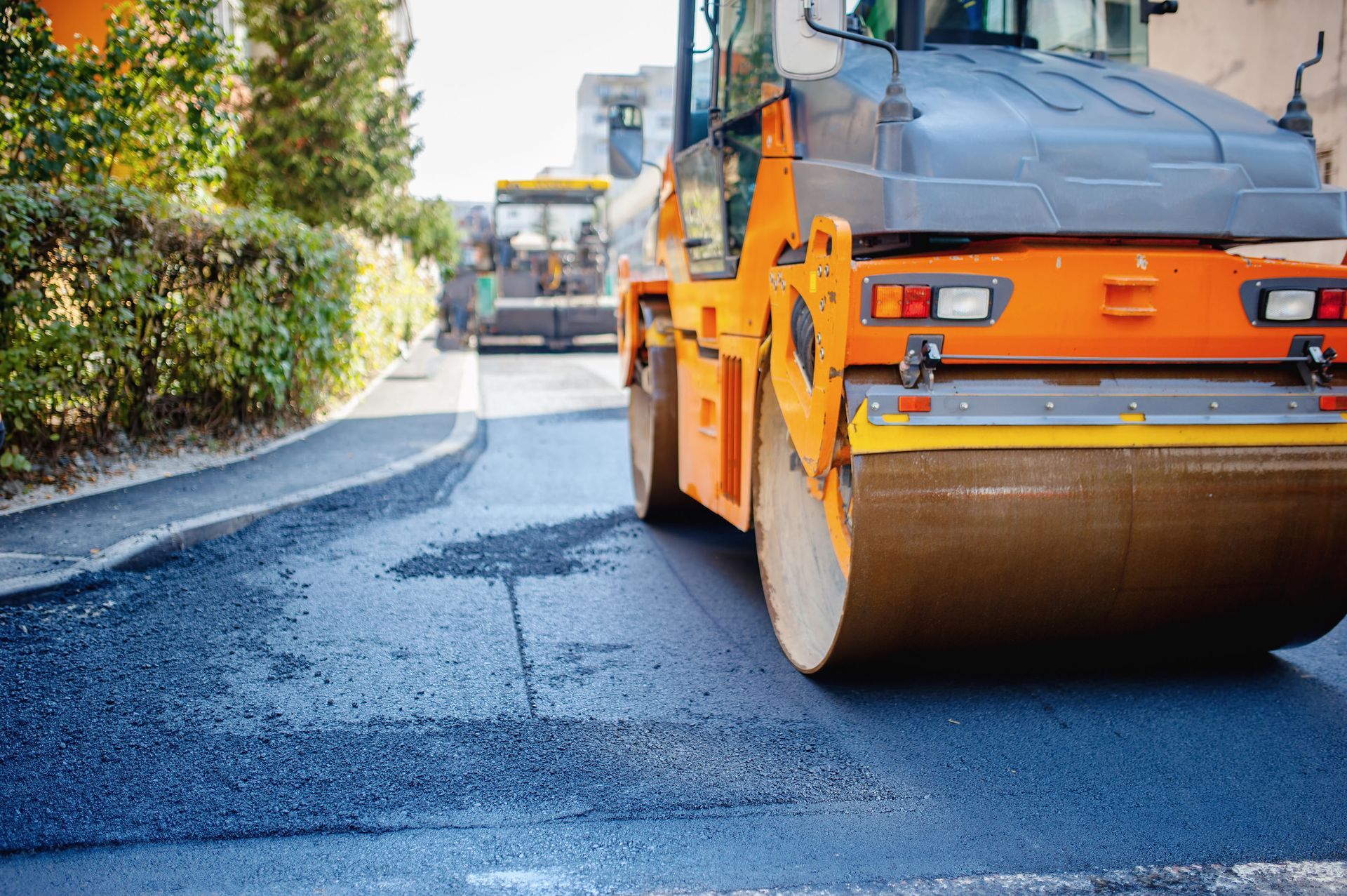
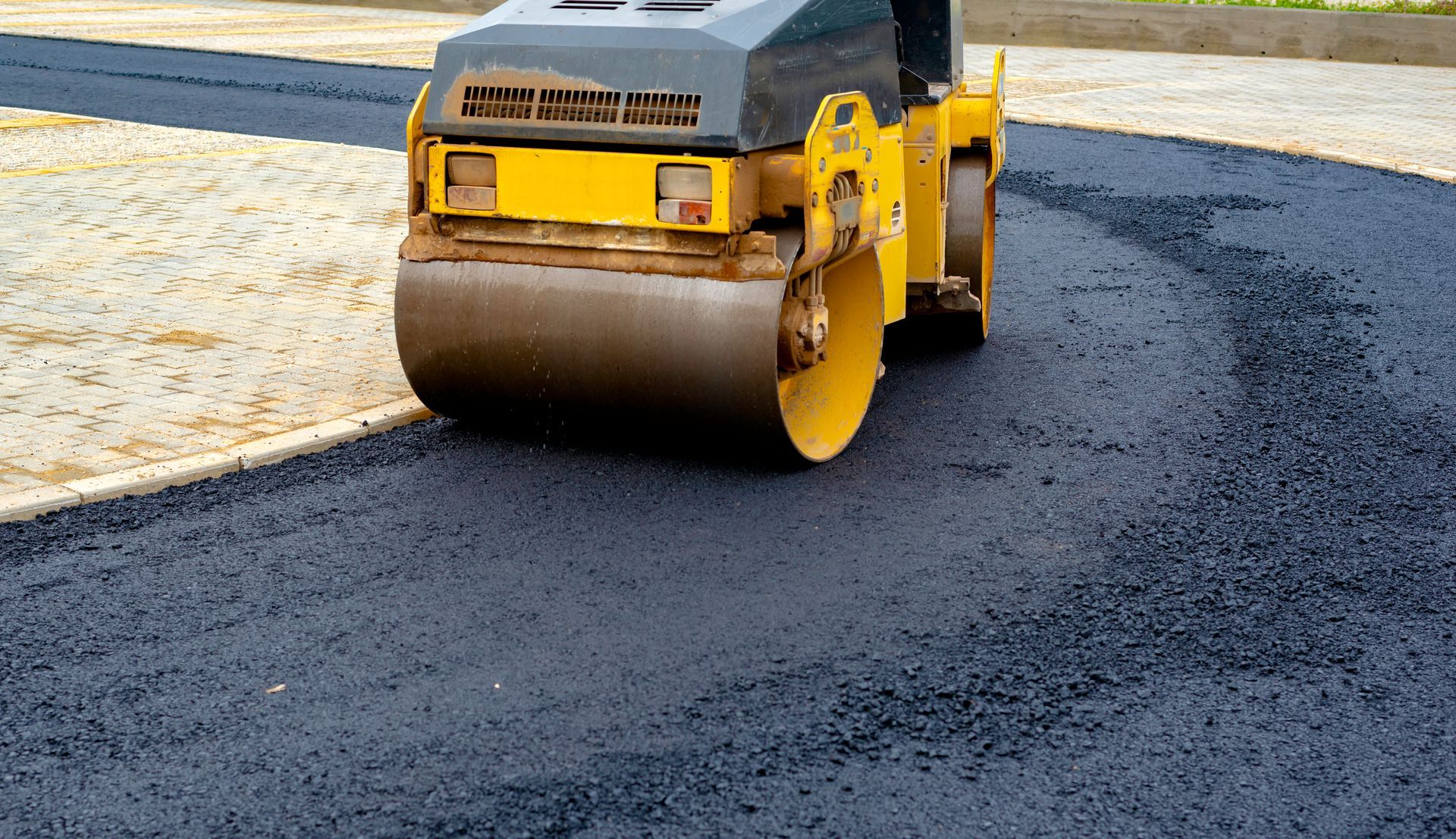
Furthermore, the computerized equipment utilized by a professional local paving company has advanced rapidly, accelerating the grading and rolling processes to lower on-site labor overhead. Because asphalt cures quickly, newly paved surfaces can often handle full vehicular traffic within 24 to 48 hours of application. This rapid turnaround minimizes costly disruptions to daily business operations and retail traffic flow.
Additionally, the supply chain for liquid asphalt binders and regional aggregates is exceptionally well-established. This deep industry presence keeps raw material costs consistently stable and highly competitive. Sourcing materials from local batch plants also minimizes heavy freight logistics fees, representing a highly efficient allocation of capital resources for public and private sector projects alike.
Future Cost Savings and Return on Investment
The long-term financial architecture of an asphalt surface is deeply rooted in its ease of maintenance and extended service life. According to Today's Homeowner, asphalt driveways can last up to 25 years with proper maintenance. This impressive lifespan provides absolute predictability for corporate forecasting, ensuring that the total cost of asset ownership remains manageable across decades.
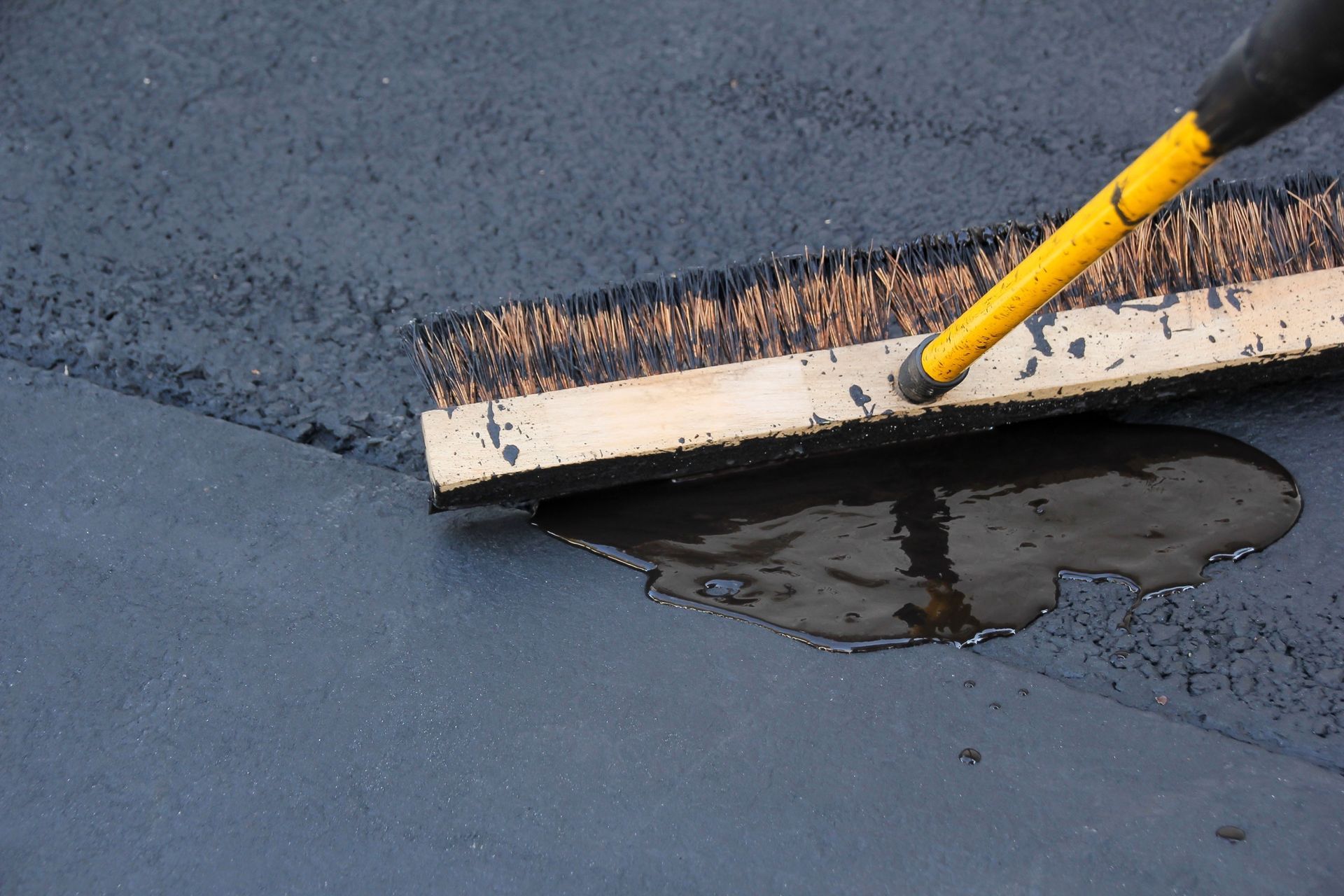
Periodic applications of protective sealcoats, combined with the timely filling of minor surface fractures, are typically sufficient to preserve structural integrity. These preventative maintenance measures are straightforward and highly economical compared to the intensive mud-jacking or full-slab demolition required when concrete cracks. Municipal planners and commercial developers frequently favor asphalt because these future maintenance savings can be directly reinvested into other revenue-generating facility upgrades, demonstrating excellent fiscal stewardship.
Scalability in Project Budgeting
The physical adaptability of asphalt makes it an ideal material for phased construction strategies. Large-scale industrial developments or multi-phase residential communities can easily scale their paving layouts to align perfectly with annual cash flows or periodic public funding cycles. An experienced local paving company can effortlessly construct base aggregate layers in one fiscal quarter, leaving the final wear course to be applied once secondary construction phases are finalized.
Furthermore, aging asphalt can be fully rejuvenated via economical resurfacing methods like asphalt overlaying. Instead of executing a full-depth structural excavation, technicians can mill away the top inch of degraded pavement and install a fresh structural layer directly over the existing sub-base. This ability to renew older surfaces while maintaining a completely unbroken baseline utility ensures that corporate budgets are spent on progressive expansion rather than redundant foundational demolition.
Mechanical Durability and Climate Resilience
Resistance to Weathering and Chemical Attack
Asphalt is globally recognized for its all-weather resilience, making it a highly competent material across diverse geographic zones. The complex elemental structure of modern asphalt grants it the unique ability to expand and contract fluidly during extreme seasonal temperature swings. This elasticity prevents the formation of deep structural fractures during intense freeze-thaw cycles—a common point of failure for rigid pavement systems.
Furthermore, its deep black color naturally absorbs solar radiation, speeding up the melting of accumulation from winter snowstorms. This thermal advantage minimizes the need for aggressive mechanical plowing and corrosive chemical de-icers, protecting the underlying pavement matrix from premature surface scaling. In coastal or highly industrial zones, advanced polymer-modified binders are regularly introduced by a local paving company to guard the surface against chemical breakdown from automotive fluids and intense UV radiation.
Structure and Flexibility Under Heavy Loading
Unlike rigid concrete slabs that are highly prone to snapping under localized shifting, flexible asphalt distributes heavy vehicular axle weight evenly across the entire engineered sub-base. This distinct mechanical advantage is highly valued in busy freight terminals, loading docks, and public bus routes where heavy machinery is a constant reality.
Asphalt bends slightly under immense pressure and naturally recovers its original shape without cracking, accommodating minor ground shifts and expansive soils effortlessly. Additionally, the continuous, seamless nature of modern asphalt roadways eliminates harsh expansion joints, providing an incredibly smooth, low-resistance driving surface. This reduction in surface friction directly improves automotive fuel efficiency and minimizes mechanical wear and tear on vehicular suspension systems, delivering a valuable indirect cost saving to commuters and commercial fleet operators.
Environmental Sustainability and Production Innovation
Eco-Friendly Warm-Mix Applications
The modern asphalt industry has heavily invested in green engineering practices to reduce its total carbon footprint. The widespread adoption of warm-mix asphalt technology allows a certified local paving company to mix and install pavement at temperatures 30 to 50 degrees Fahrenheit lower than traditional hot-mix methods.
This significant reduction in production temperatures decreases plant energy consumption and drastically lowers greenhouse gas emissions during field application. For neighboring communities and construction crews, warm-mix applications create a much cleaner working environment with minimal odor and smoke, allowing asphalt to integrate seamlessly with modern green building mandates.
Circular Economy and Recycled Asphalt
Asphalt holds the proud distinction of being the most recycled material in the United States. Millions of tons of old pavement are milled up annually and processed directly into fresh mixtures, creating Recycled Asphalt Pavement. This highly efficient circular economy diverts massive volumes of construction debris away from local landfills and preserves finite natural aggregate resources. By incorporating high percentages of recycled content into new corporate parking lots, a sustainable local paving company can deliver exceptional structural performance while supporting strict corporate environmental, social, and governance goals.
Investing in high-grade asphalt paving provides public and private sector stakeholders with an uncompromised path toward absolute infrastructure efficiency, enduring durability, and financial optimization. From its affordable upfront installation costs and flexible performance under load to its high recyclability and visual appeal, asphalt consistently outperforms alternative pavement styles over its entire lifecycle. By implementing simple, proactive maintenance habits and relying on modern mix technologies, property owners can easily secure a highly dependable asset that delivers excellent operational service for up to 25 years.
When the structural integrity of your high-traffic commercial parking lot or residential development is on the line, cut-rate contractors can result in premature cracking, sub-base settling, and costly drainage failures. True mechanical performance requires precise laser-guided grading, heavy aggregate compaction, and expert material sourcing from a verified local paving company. To transform your upcoming pavement development into a long-lasting, beautifully finished architectural asset, partner with the proven engineering craftsmanship and elite service of Precision Paving LLC.
Share On: